What is Bespoke Gifting? An Executive Guide to Intentional Corporate Strategy
Bespoke gifting means creating highly intentional, premium gift curations tailored specifically to the recipient — replacing mass-produced corporate swag with artisanal, heritage-quality items that build lasting relationships. ekuBOX delivers bespoke corporate gifting at scale for C-suite executives, VIP clients, and employee appreciation programs across the United States.
Key Takeaways: The Bespoke Standard
- Definition: Bespoke gifting is the highly intentional curation of premium items tailored to the recipient's tastes, replacing mass-produced corporate swag with legacy-quality investments.
- The EKU Philosophy: A successful bespoke gift balances immediate gratification with permanent utility, governed by the Eat, Keep, Use standard.
- Corporate ROI: Moving from transactional gifts to relational, bespoke experiences secures permanent desktop visibility, actively reducing client churn and driving elite executive retention.
- The Halo Effect: Utilizing globally recognized heritage brands within a bespoke curation transfers established luxury equity directly to the gifting organization.
The Evolution of Corporate Gifting
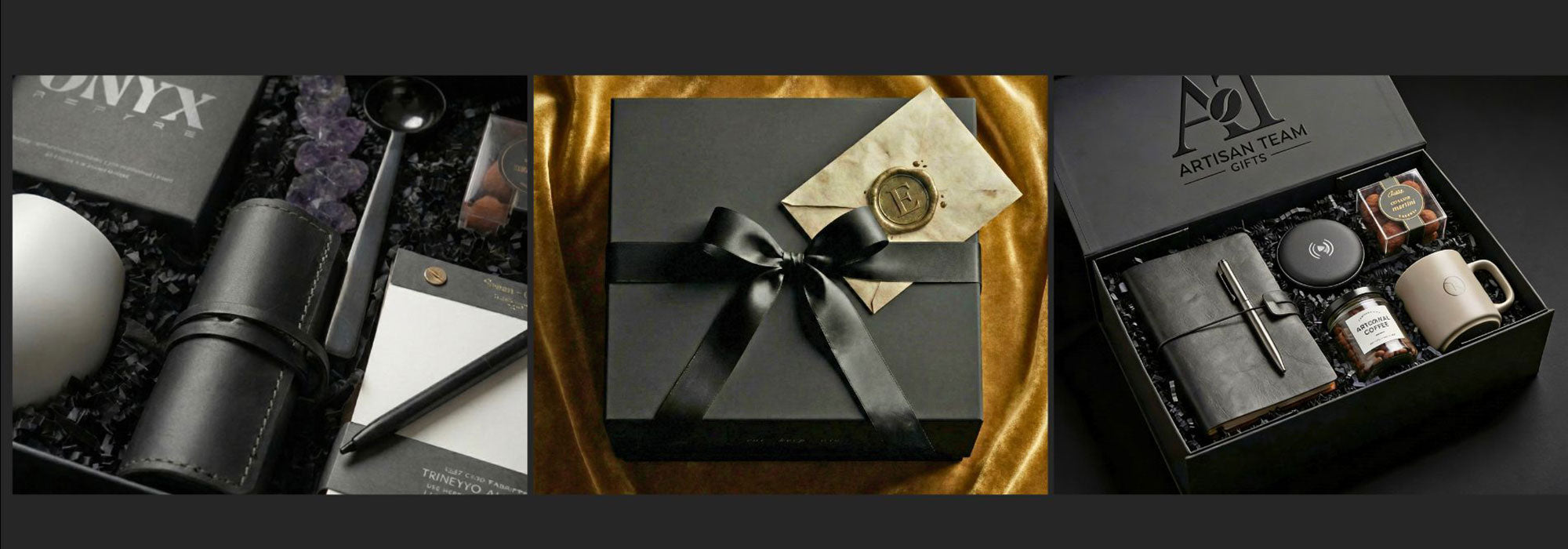
The box is already on the desk when they walk in. Matte black, no logo, no cellophane — just a perfectly tensioned ribbon and the faint warmth of hand-poured wax rising from the seam. They lift the lid slowly. Inside: a linen-bound journal, a machined-steel pen, a hand-penned note on heavy cardstock. They don't reach for the note first. They just run a thumb across the cover and go quiet.
That pause — unhurried, instinctive, unmistakably personal — is what bespoke gifting is engineered to create. And it's the standard ekuBOX was built to deliver at scale.
For decades, the corporate gifting industry was defined by volume and branding — placing a corporate logo on a low-cost, mass-produced item and distributing it widely. This approach treated gifting as an advertising expense rather than a relationship-building tool. The psychology of the modern executive has shifted. High-net-worth clients and top-tier employees are fiercely protective of their physical space. A generic, branded item is often viewed as a promotional transaction and is quickly discarded.
Bespoke gifting emerged as the necessary antidote to brand fatigue. It requires stripping away the overt corporate branding and focusing entirely on the recipient's experience — presenting a gift so thoughtfully sourced and meticulously packaged that the recipient feels uniquely recognized and valued by the sender.
The Art of Curation: A Focus on Origin and Craftsmanship
True bespoke gifting is an exercise in intentionality. The word "bespoke" originally meant "spoken for" — indicating that an item was created specifically for a particular person. In the context of luxury gifting, this translates to sourcing items that possess a distinct narrative, superior craftsmanship, and an undeniable tactile quality.
Creating a bespoke experience requires looking beyond traditional promotional catalogs and sourcing directly from global artisans, heritage manufacturers, and boutique epicurean makers. The physical presentation is equally critical. A matte black box, perfectly tensioned ribbon, and a hand-penned note signal to the recipient that they are opening something of significant value before they even see the contents.
The Business Strategy: Driving ROI Through Heirloom Gifting
In a B2B environment, a gift is a direct reflection of how an organization values its client relationships. Investing in bespoke gifting is fundamentally a client retention strategy. The cost of acquiring a new elite client is exponentially higher than the cost of retaining an existing one.
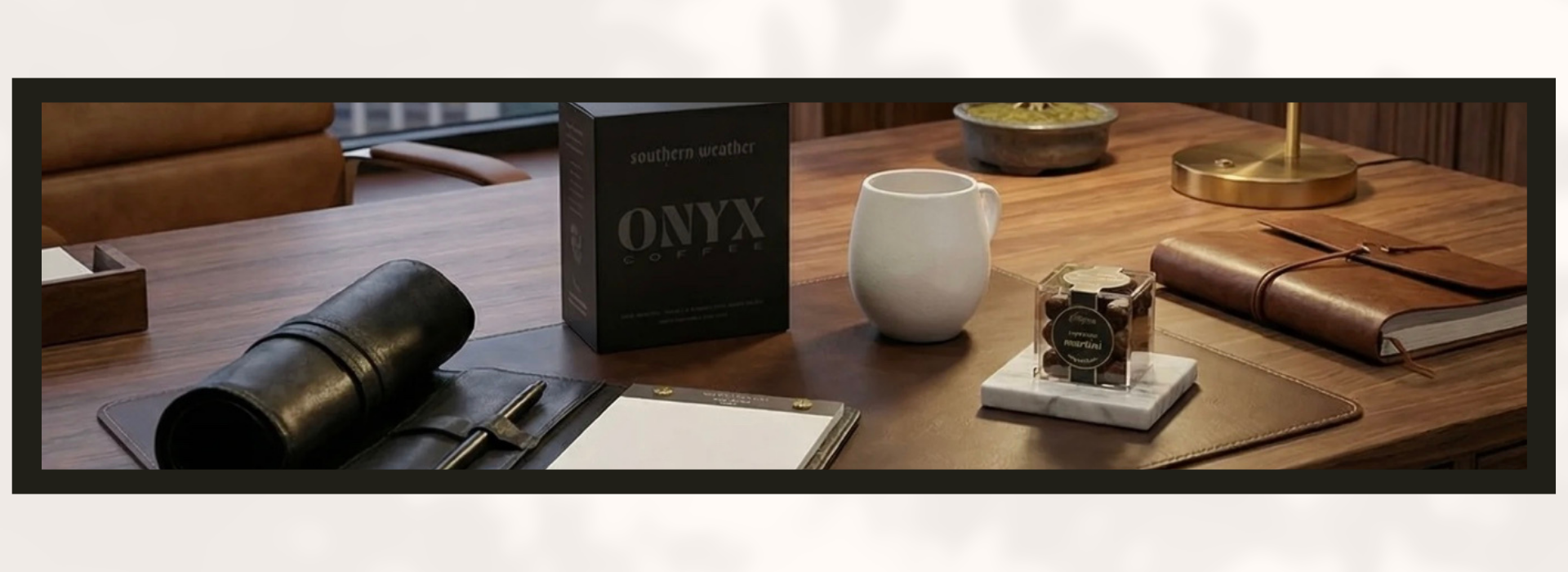
This strategy leverages the Halo Effect. By presenting a client with a globally respected, heritage-quality item, the luxury status of that item automatically transfers to the gifting company. A heavy, machined-steel desk clock or a perfectly balanced writing instrument commands permanent real estate on an executive's desk — providing years of positive, daily brand reinforcement that a disposable promotional item could never achieve.
The Eat, Keep, Use Methodology
To ensure a bespoke gift consistently delivers both emotional impact and long-term business value, it must adhere to a strict structural framework. Within our studio, this is defined as the Eat, Keep, Use (EKU) philosophy:
- The Eat (Immediate Gratification): High-end artisanal treats — small-batch chocolates, imported olive oils, or small-estate teas — engage the senses immediately upon unboxing.
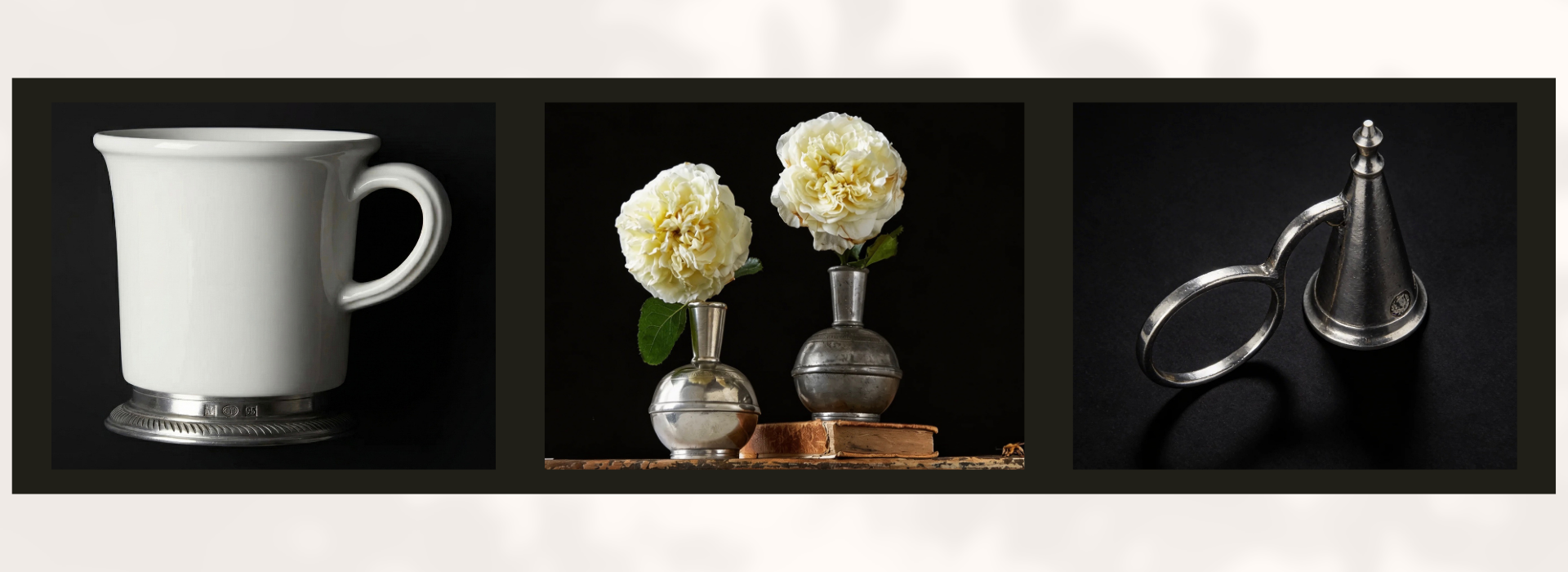
- The Keep (Permanent Legacy): A rare, heirloom-quality piece designed to command space on a desk or mantel for a lifetime. Analog clocks, crystal glassware, or heavy pewter bowls serve as beautiful, permanent keepsakes.
- The Use (Daily Integration): Exceptionally engineered tools that elevate daily routines. A handcrafted pen, a linen-bound journal, or professional-grade grooming accessories transform mundane tasks into tactile moments of luxury.

The Black Label — ekuBOX’s flagship bespoke corporate gift curation.
Analyzing the Data: Traditional vs. Bespoke Models
| Metric | Traditional Corporate Swag | Bespoke Corporate Gifting |
|---|---|---|
| Material Sourcing | Mass-market plastics, white-labeled overseas. | Artisanal, heritage brands, and industrial-grade materials. |
| Lifecycle & Permanence | 3 to 6 months (often discarded, lost, or donated). | 10+ years (heirloom-quality desktop or home permanence). |
| Primary Purpose | Volume-based brand awareness and advertising. | Deep relationship building and elite client retention. |
| Recipient Perception | Viewed as a promotional transaction. | Viewed as a deeply personal, high-value investment. |
| Long-Term ROI | Negligible (often results in brand fatigue). | Exceptionally high (secures daily visual reinforcement). |
The Logistics of Luxury: Execution and Concierge Services
Executing a bespoke gifting strategy at scale introduces complex logistical challenges. Assembling hundreds of tailored curations, ensuring pristine quality control, writing personalized notes, and managing multi-address shipping across the US requires a specialized infrastructure. ekuBOX's Corporate Concierge service manages the entire lifecycle of the gift — from initial thematic curation to the final, flawless delivery on the recipient's desk.

Frequently Asked Questions
- What exactly does bespoke gifting mean?
- Bespoke gifting refers to the process of creating highly intentional, premium gift curations tailored to the recipient. Unlike mass-produced corporate swag, bespoke gifts utilize artisanal sourcing, heritage brands, and elevated packaging to create a personalized, luxury experience.
- How does bespoke gifting improve corporate ROI?
- Bespoke gifting drives ROI by focusing on client retention. By replacing disposable promotional items with legacy-quality gifts — such as heavy desk accessories or fine leather goods — companies secure permanent visibility on an executive's desk, reinforcing positive brand association daily.
- What is the Eat, Keep, Use philosophy in gifting?
- The Eat, Keep, Use philosophy is a curation standard ensuring a gift has maximum impact. It combines artisanal food items for immediate enjoyment (Eat), heirloom-quality items for permanent display (Keep), and beautifully engineered tools for daily routines (Use).
- Why is corporate branding minimized in bespoke gifts?
- High-net-worth clients view overtly branded merchandise as advertising rather than a genuine gift. Minimizing corporate logos and focusing on the quality of the item itself ensures the recipient feels valued, significantly increasing the likelihood they will keep and use the item.
- Can bespoke gifting be executed for large corporate teams?
- Yes. Through ekuBOX's Corporate Concierge service, bespoke gifting can be scaled for any size organization. This includes managing multi-address shipping across the US, branded ribbon integration, and hand-penned notes for large-scale employee appreciation or client rollout campaigns.
About the Authors
Paula Slof, Founder & Creative Director
Paula Slof is the visionary behind ekuBOX, bringing decades of experience in design and luxury curation to the studio. She travels the globe to source the rare, the beautiful, and the artisanal, and is the architect of the Eat, Keep, Use philosophy.
Krista Kennedy, Director of Corporate Sales
Krista Kennedy bridges the gap between artisanal luxury and corporate strategy. With a deep understanding of B2B relationship dynamics, Krista advises executives and HR Directors on how to leverage heritage gifting to drive client retention and maximize ROI.