
The Psychology of Gifting: Why Sensory Experiences (Like Lavender & Silk) Matter
The psychology of gifting shows that multi-sensory experiences — engaging touch, smell, taste, and sight — create stronger emotional bonds and higher brand recall than visual-only gifts. ekuBOX applies this neuroscience to every luxury corporate gift box, engineering unboxing moments that make C-suite executives and VIP clients feel genuinely valued, shipped across the United States with white-glove precision.
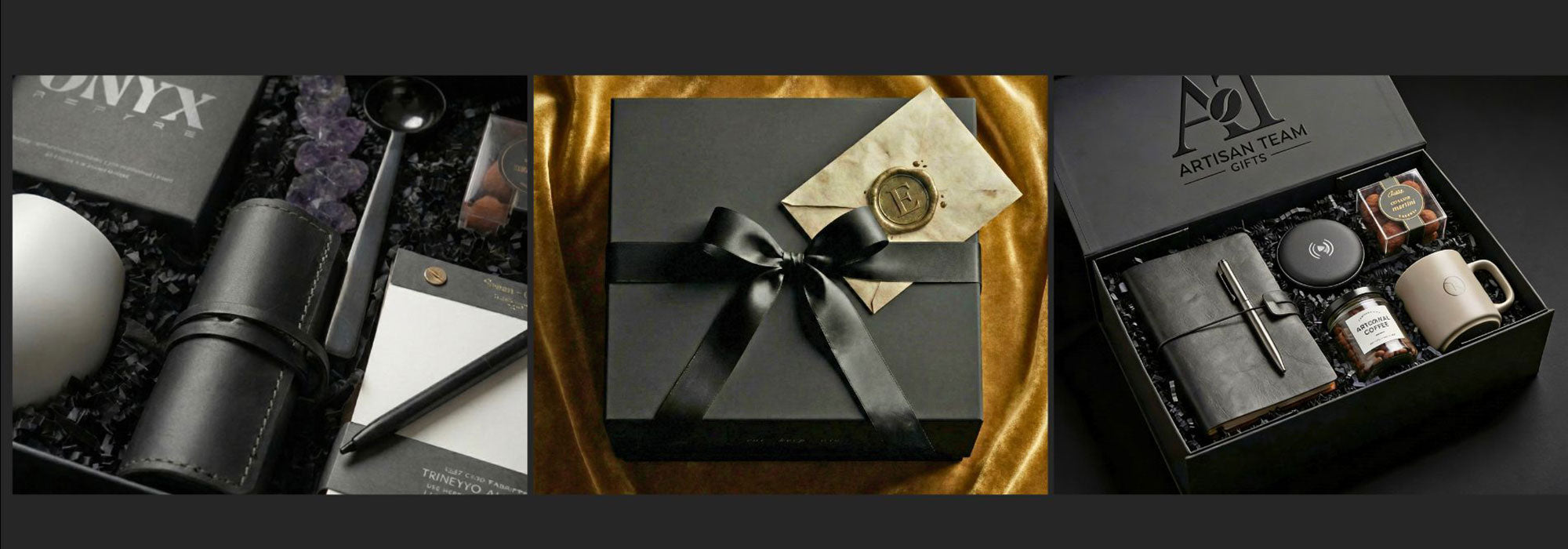
The box arrives on a Tuesday. It is heavier than expected — matte black, cool to the touch, with a satin ribbon pulled taut. She sets down her phone. The ribbon releases with a whisper of fabric, and then it hits her: the faint, unmistakable calm of French lavender rising from layers of crisp tissue paper. Her shoulders drop. For ten seconds, the inbox doesn't exist.
That moment is not an accident. It is architecture.
At ekuBOX, we engineer those ten seconds deliberately — because the neuroscience of sensory memory is the most powerful, underutilized tool in corporate relationship strategy.
Key Takeaways: The Sensory Gifting Advantage
- The Psychological Hook: Multi-sensory gifts (engaging touch, smell, and taste) bypass cognitive filters, creating immediate and permanent emotional bonds.
- The Olfactory Impact: Scents like French lavender or rich leather increase brand recall exponentially compared to visual-only stimuli.
- Corporate ROI: Tactile luxury (like weighted boxes and silk ribbon) shifts a client's perception of your brand from transactional to relational, actively reducing B2B churn.
- The EKU Standard: Maximizing our Eat, Keep, Use philosophy ensures a holistic, multi-sensory experience that drives undeniable, long-term business value.
The Neuroscience of the Unboxing Experience
Human memory is not a filing cabinet; it is a complex web of sensory associations. When a recipient receives an ekuBOX, the experience begins long before the products are revealed. It begins with the heavy, matte black texture of our signature box. In psychology, the concept of "embodied cognition" proves that humans subconsciously associate physical weight with importance and authority. A heavy gift feels valuable; a light, flimsy package feels disposable.
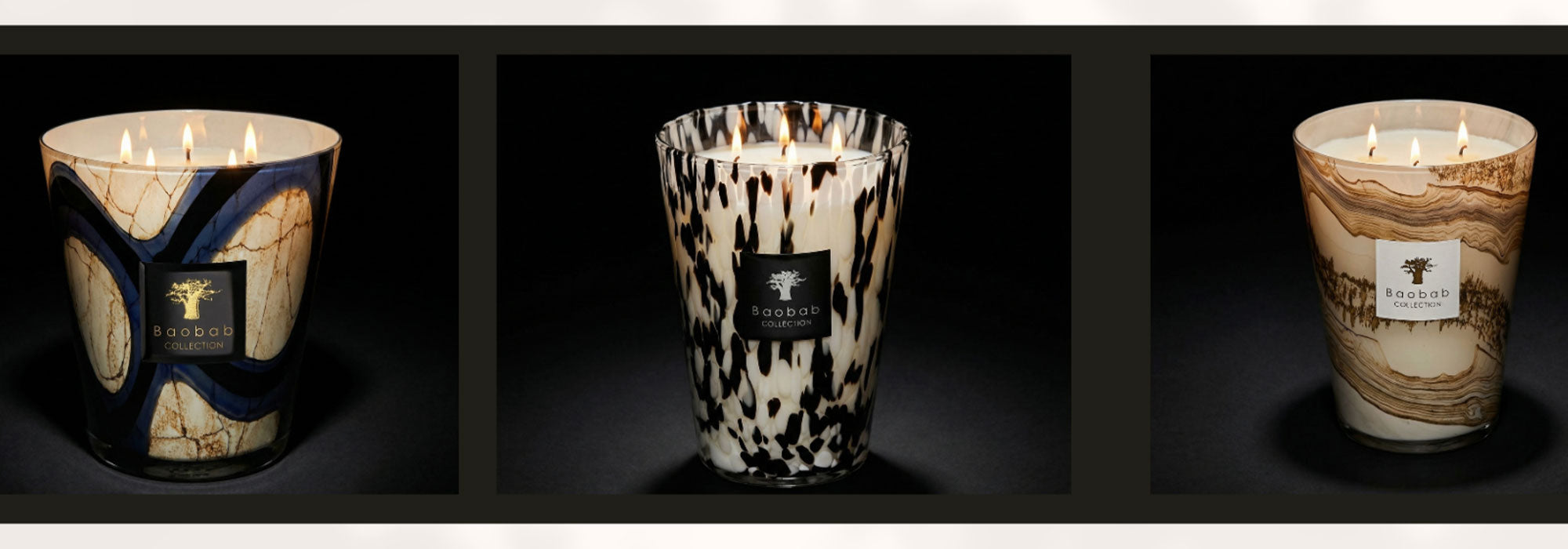
But the most powerful trigger is olfactory. The olfactory bulb has a direct neural pathway to the amygdala and the hippocampus — the regions of the brain responsible for emotion and memory. When a client opens a curation and is greeted by the subtle, calming aroma of dried French lavender, a rich Baobab candle, or organic Tuscan rosemary, an involuntary psychological anchor is set. They are no longer thinking about their overflowing inbox; they are present in a moment of pure, curated luxury.

Translating Senses into Business ROI
In the B2B space, your clients are constantly bombarded with standard promotional swag. When you send a cheap plastic pen or a synthetic branded t-shirt, you are providing negative tactile feedback — the recipient subconsciously links that uninspired physical sensation directly to your brand.
Conversely, when you invest in sensory luxury, you are investing in Customer Lifetime Value (CLV). When an executive runs their hand over a smooth, machined-steel Shinola desk clock, or tastes a perfectly balanced small-batch truffle, they experience an immediate dopamine release. The gratitude they feel in that moment is subconsciously transferred to the sender — shifting the relationship from vendor to trusted partner.
Activating the Eat, Keep, Use Framework
Every ekuBOX curation is anchored by our Eat, Keep, Use (EKU) methodology, guaranteeing that every sense is activated and the neurological impact of your investment is maximized.
The Eat (Activating Taste and Smell)
Taste and smell provide the immediate dopamine hit. Whether it is the snap of premium dark chocolate, the rich aroma of pour-over coffee, or the botanical notes of a small-estate olive oil, the Eat component satisfies the brain's desire for immediate gratification and pleasure.
The Keep (Activating Sight and Weight)
The Keep item is the physical anchor of the relationship — a heavy Match Pewter tray or crystal glassware. By engaging sight and the tactile sensation of weight, we create permanent desktop real estate. Every time the executive looks at or touches this heirloom item, your brand recall is triggered.
The Use (Activating Tactile Routine)
The Use element embeds your brand into the recipient's daily habits. The smooth glide of a luxury pen, the comforting warmth of a heavy cotton throw, or the softness of a silk eye mask — by elevating daily routines through superior tactile experiences, your gift is not just received, but actively integrated into their lifestyle.
The Data: Traditional Swag vs. Multi-Sensory Gifting
| Strategic Metric | Single-Sense Gifting (Traditional Swag) | Multi-Sensory Gifting (ekuBOX Bespoke) |
|---|---|---|
| Neurological Impact | Low. Visual only. Bypassed quickly by the brain's cognitive filters. | High. Engages olfactory, tactile, and gustatory senses, triggering the limbic system. |
| Brand Recall | Fades within days. Often relegated to a drawer or discarded entirely. | Permanent. Scent and touch memories are scientifically proven to outlast visual recall. |
| Perceived Value | Transactional. Subconsciously associated with mass-market advertising. | Relational. Associated with white-glove service, luxury, and deep personal appreciation. |
| Client Retention ROI | Negligible. Rarely influences contract renewals or brand loyalty. | Exceptional. Solidifies executive relationships and acts as a barrier to competitor poaching. |
The Final Standard of Luxury
True luxury is not defined merely by a price tag; it is defined by the depth of the experience. By investing in the psychology of gifting — leveraging the scent of lavender, the texture of silk, and the undeniable weight of quality — we transform standard corporate budgets into powerful relationship engines. We don't just send boxes; we curate sensory experiences that echo in the boardroom long after the ribbon is untied.

Frequently Asked Questions
- Why is sensory experience important in corporate gifting?
- Sensory experiences bypass logical cognitive filters and directly trigger the brain's emotion and memory centers. Engaging touch, taste, and smell creates an immediate, subconscious emotional bond between the recipient and your company, leading to vastly higher brand recall than visual-only gifts.
- How does the Eat, Keep, Use framework utilize the senses?
- The EKU framework ensures a holistic sensory experience. Eat activates taste and smell for immediate pleasure. Keep activates sight and the physical sensation of weight. Use activates tactile routines, embedding luxury into the recipient's daily physical habits.
- What is the psychological effect of receiving a heavy or tactile gift?
- In psychology, the concept of embodied cognition shows that humans associate physical weight with importance, authority, and value. A heavy, tactile gift — like a solid steel clock or a textured matte box — subconsciously signals to the recipient that the relationship is highly valued and secure.
- How does olfactory (scent) memory improve business ROI?
- The olfactory bulb connects directly to the brain's limbic system, making scent the strongest trigger for memory and emotion. Including scents like lavender or artisan leather in a bespoke gift ensures the client remembers the feeling of luxury associated with your brand, driving loyalty and long-term retention.
- Why are traditional corporate gifts failing in modern B2B strategies?
- Traditional swag relies entirely on visual branding and cheap materials, offering negative tactile feedback. Modern executives view this as a mass-produced, promotional transaction, leading to brand fatigue and a total lack of return on the gifting investment.
About the Authors
Paula Slof, Founder & Creative Director
Paula Slof is the visionary architect behind ekuBOX. With an uncompromising eye for design and decades of experience in the luxury sector, she travels globally to source the finest artisanal goods and is the driving force behind the sensory perfection of every curation.
Krista Kennedy, Director of Corporate Sales
Krista Kennedy bridges the gap between artisanal curation and high-level corporate strategy. Advising top-tier executives, HR Directors, and elite agencies, Krista transforms bespoke gifting into a measurable business tool focused on client retention and long-term ROI.